
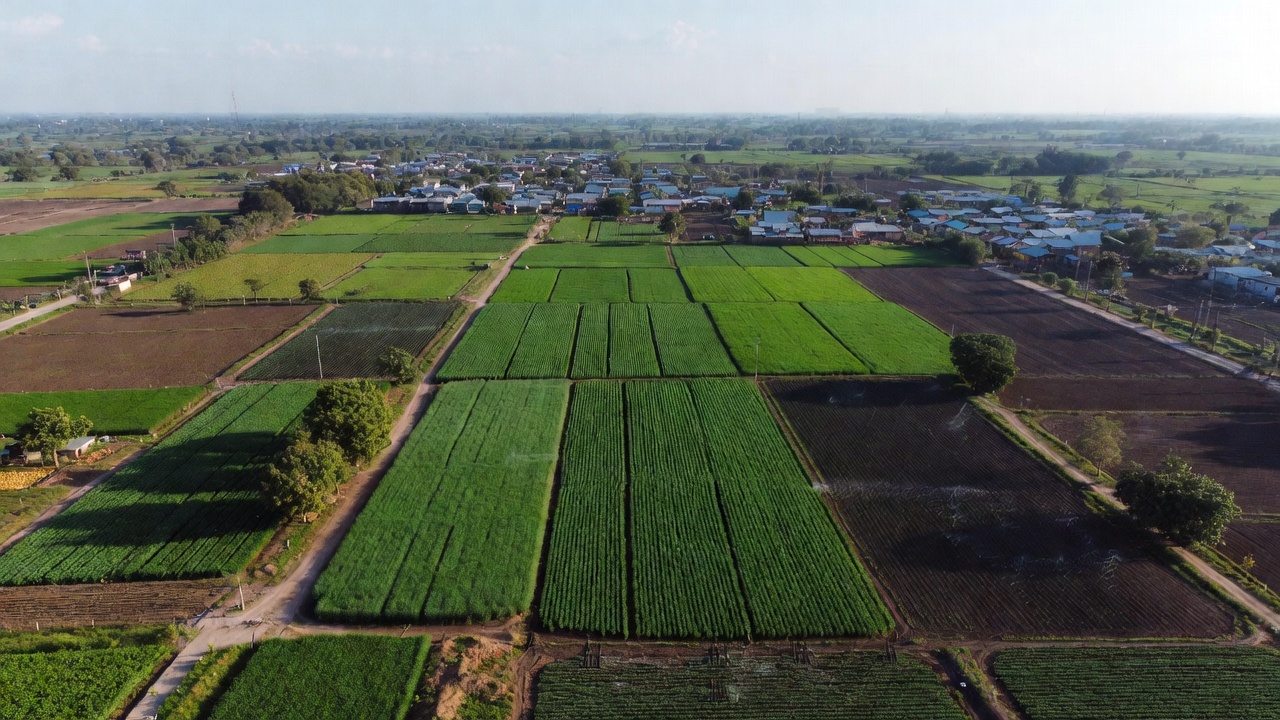
As inflation continues to erode purchasing power and traditional investment portfolios face unprecedented volatility, savvy investors are turning to farmland assets to hedge against inflation. Agricultural land has proven to be one of the most reliable stores of value throughout history, offering tangible returns that often outpace inflation while providing essential resources for a growing global population.
In this comprehensive guide, we’ll explore the top five farmland assets that can serve as effective inflation hedges, providing you with actionable insights to protect and grow your wealth during uncertain economic times.
Why Farmland Assets Are Effective Inflation Hedges
Before diving into specific farmland assets to hedge against inflation, it’s essential to understand why agricultural investments perform well during inflationary periods:
• Intrinsic Value: Farmland produces essential commodities—food, fiber, and fuel—that people need regardless of economic conditions. As the cost of living rises, so do agricultural commodity prices.
• Limited Supply: Unlike fiat currency, which can be printed indefinitely, productive agricultural land is finite. This scarcity creates long-term value appreciation.
• Income Generation: Farmland provides dual returns through both capital appreciation and rental income from farming operations, with lease rates typically adjusting for inflation.
• Low Correlation: Agricultural assets historically show low correlation with traditional stocks and bonds, providing valuable portfolio diversification.
Now, let’s examine the specific farmland assets to hedge against inflation that offer the best protection for investors.
1. Row Crop Farmland (Corn, Soybeans, Wheat)
Row crop farmland represents one of the most accessible and liquid farmland assets to hedge against inflation. These properties, primarily located in the Midwest Corn Belt and Great Plains, produce staple commodities that form the foundation of the global food supply.
Key Benefits:
• Strong Historical Returns: According to NCREIF Farmland Index data, row crop farmland has delivered average annual returns of 10-12% over the past two decades, consistently outpacing inflation.
• Global Demand: Rising populations in developing nations ensure sustained demand for grain commodities, creating a natural hedge against currency devaluation.
• Income Stability: Cash rents for quality row crop land typically increase during inflationary periods as commodity prices rise, protecting investor income streams.
• Market Liquidity: Row crop farmland enjoys relatively high liquidity compared to specialty agriculture, with active buyers across institutional and individual investor categories.
Investment Consideration: Focus on prime Midwest properties with high productivity ratings (CSR2 scores above 75) and reliable rainfall patterns. These assets command premium rents and appreciate more consistently during inflationary environments.
2. Permanent Crop Farmland (Orchards, Vineyards, Nut Trees)
Permanent crop operations represent premium farmland assets to hedge against inflation, offering higher potential returns but requiring more specialized management expertise.
Key Benefits:
• Premium Pricing Power: Specialty crops like almonds, pistachios, and wine grapes command higher prices that adjust rapidly during inflationary cycles.
• Export Markets: California permanent crops are exported globally, with prices denominated in dollars that benefit from inflation-driven currency dynamics.
• Water Rights Value: Many permanent crop properties include valuable water rights that appreciate independently, providing an additional inflation hedge layer.
• Long-Term Income: Once established, orchards and vineyards produce for 20-50 years, creating stable cash flows that increase with inflation.
Investment Consideration: Due diligence on water availability, climate risks, and market dynamics is critical. Partner with experienced farm management companies or invest through specialized farmland REITs focused on permanent crops.
3. Timberland and Forest Properties
Timberland offers unique characteristics among farmland assets to hedge against inflation, combining biological growth with commodity production and carbon sequestration value.
Key Benefits:
• Biological Growth: Trees grow continuously regardless of market conditions, creating a natural store of increasing value that compounds over time.
• Harvest Flexibility: Unlike annual crops, timber can be held during low-price periods and harvested when markets strengthen, providing inflation protection through timing optionality.
• Multiple Revenue Streams: Beyond timber sales, properties generate income from hunting leases, recreation fees, and increasingly, carbon credits as climate policies evolve.
• Real Asset Protection: Lumber and wood products are essential building materials that experience price increases during construction booms often associated with inflationary periods.
Investment Consideration: Southern pine plantations offer the best combination of growth rates and market liquidity. Consider Timber Investment Management Organizations (TIMOs) for professional management and portfolio diversification.
4. Pasture and Grazing Land for Livestock
Grassland and pasture properties represent undervalued farmland assets to hedge against inflation, particularly as protein consumption rises globally and regenerative agriculture gains mainstream adoption.
Key Benefits:
• Lower Entry Costs: Pastureland typically costs 30-50% less per acre than row crop farmland, allowing investors to acquire larger holdings for diversification.
• Protein Demand: Global meat consumption correlates strongly with economic development, creating structural demand that intensifies during inflationary periods when consumers have more nominal income.
• Carbon Market Potential: Grasslands are increasingly recognized for soil carbon sequestration, creating new revenue opportunities through voluntary and regulatory carbon markets.
• Conversion Optionality: Quality pastureland can potentially be converted to higher-value uses (residential development, renewable energy) as population pressures increase, providing appreciation upside.
Investment Consideration: Focus on properties with good carrying capacity (1 animal unit per 2-4 acres), reliable water sources, and proximity to processing facilities. The Great Plains and Texas Hill Country offer attractive opportunities.
5. Agricultural Infrastructure and Water Rights
While not traditional farmland, agricultural infrastructure—including irrigation systems, grain storage facilities, and particularly water rights—represents critical farmland assets to hedge against inflation with unique characteristics.
Key Benefits:
• Scarcity Premium: Water rights in western states have appreciated 300-500% over the past two decades, vastly outpacing general inflation as climate change intensifies water scarcity.
• Essential Utility: Agriculture cannot function without water and infrastructure, creating inelastic demand that supports price increases during inflation.
• Lease Income: Water rights and irrigation infrastructure generate reliable lease income from farmers who pay market rates that adjust annually for inflation.
• Alternative Use Value: Water rights increasingly have value beyond agriculture—for municipal use, industrial applications, and environmental restoration—creating price floors and appreciation potential.
Investment Consideration: Water rights require legal expertise due to complex state regulations. Consider farmland with senior water rights in the Colorado River Basin or California Central Valley, or invest through farmland funds with water assets.
How to Invest in Farmland Assets to Hedge Against Inflation
Accessing these farmland assets to hedge against inflation has become more practical for investors at all levels:
Direct Ownership
Purchasing farmland directly provides maximum control and potential returns but requires significant capital and agricultural expertise. Work with experienced farm managers or lease to established operators.
Farmland REITs
Publicly traded farmland REITs like Farmland Partners (FPI) and Gladstone Land (LAND) offer liquidity and lower investment minimums. These vehicles provide exposure to diversified farmland portfolios with professional management.
Agricultural ETFs and Mutual Funds
While not direct farmland ownership, agricultural commodity ETFs and farming-focused equity funds provide inflation-correlated exposure with high liquidity.
Conclusion: Farmland Assets to Hedge Against Inflation
Farmland assets to hedge against inflation offer compelling advantages in today’s uncertain economic environment. From row crop farmland providing steady income to permanent crops offering premium returns, from timberland’s biological growth to water rights’ scarcity value, agricultural investments deliver the diversification and real asset protection that traditional portfolios lack.
The key to success lies in understanding your investment objectives, risk tolerance, and time horizon. For most investors, a diversified approach combining several farmland asset types—perhaps through a mix of direct ownership, REITs, and crowdfunding platforms—provides optimal inflation protection while managing concentration risk.
As inflation persists and traditional investment strategies face headwinds, farmland assets to hedge against inflation represent more than just portfolio diversification—they’re an investment in the productive capacity that feeds the world and generates irreplaceable value across economic cycles.
Ready to protect your wealth with farmland assets? Start by researching farmland investment platforms like Farmland India, consulting with agricultural investment specialists, and determining which farmland assets to hedge against inflation align best with your financial goals.
Frequently Asked Questions
What makes farmland a good hedge against inflation?
Farmland hedges against inflation through multiple mechanisms: agricultural commodity prices rise with inflation, rental income adjusts upward, and land values appreciate as replacement costs increase. Additionally, farmland produces essential goods with inelastic demand, meaning people must eat regardless of economic conditions.
How much should I allocate to farmland assets in my portfolio?
Financial advisors typically recommend allocating 5-15% of investment portfolios to farmland and agricultural assets. This provides meaningful inflation protection and diversification benefits without excessive concentration in a single asset class. Your specific allocation should reflect your investment timeline, liquidity needs, and overall financial situation.
Are farmland investments liquid?
Liquidity varies by investment structure. Direct farmland ownership is relatively illiquid, often requiring 6-18 months to sell. Farmland REITs trade daily on stock exchanges with high liquidity. Crowdfunding platforms typically have 5-10 year holding periods with limited secondary markets. Consider your liquidity needs when selecting farmland investment vehicles.
What risks should I consider with farmland investments?
Farmland investments face several risks: weather and climate change impacts, commodity price volatility, water availability concerns, changing agricultural policies, and potential oversupply in specific crops. Proper diversification across geographies, crop types, and investment structures helps mitigate these risks while maintaining inflation hedge characteristics.
Can I invest in farmland through my retirement account?
Yes, farmland investments can be held in self-directed IRAs, including both traditional and Roth accounts. Farmland REITs are easily accessible through standard brokerage IRAs. Direct farmland ownership and crowdfunding investments require self-directed IRAs with custodians specializing in alternative assets. This allows tax-advantaged farmland investing for retirement portfolios.


Join The Discussion