
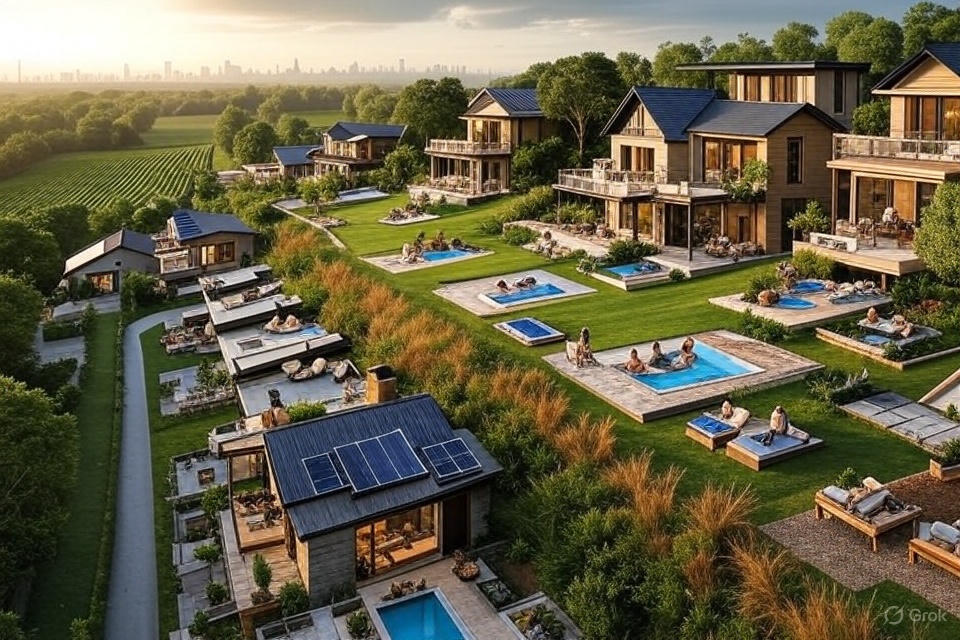
As city life grows denser and more demanding, a growing segment of investors, businesses, high-net-worth individuals, and lifestyle seekers are turning their attention toward farmhouse communities. These developments are redefining rural living by blending the appeal of nature with luxury, privacy, and sustainable amenities.
Despite their rising popularity, there remains a lack of awareness about what farmhouse communities truly offer. Many are unsure about their features, investment potential, or the trends shaping them. This blog aims to bridge that gap.
We’ll explore the essential features and trends in farmhouse communities, discuss why they are gaining traction across India, and provide practical insights for those considering them as a lifestyle upgrade or long-term investment. Whether you’re a seasoned investor or someone simply seeking peace outside urban chaos, understanding this evolving real estate segment can open new opportunities for wealth and wellness alike.
What Are Farmhouse Communities?
A farmhouse community is a gated or planned cluster of farmhouse-style homes, typically located on the outskirts of urban or semi-urban regions. Unlike standalone farmhouses, these communities offer shared infrastructure, enhanced security, and often, professionally managed services such as landscaping, water harvesting, or organic farming.
Here’s what typically defines them:
- Large plot sizes (from 500 sq. yards to multiple acres) for individual homes
- Common green areas or orchards maintained by the community
- Eco-focused infrastructure like solar energy, waste management, and rainwater harvesting
- Clubhouse or wellness amenities like yoga decks, swimming pools, and event lawns
- Dedicated maintenance staff and gated security systems
These communities are often built with sustainability, wellness, and semi-self-sufficiency in mind—offering a peaceful alternative to city life without compromising on comfort.
Why Farmhouse Communities Are Gaining Popularity
The rise of farmhouse communities is driven by several broader trends:
- Post-pandemic lifestyle shifts: More people now value open spaces, air quality, and personal well-being.
- Remote and hybrid work models: Living away from cities is no longer a barrier to work.
- Luxury redefined: For HNIs, owning a second home in a scenic, less-polluted area is both a status symbol and a health investment.
- Investment diversification: Land-backed properties offer stability during market fluctuations.
For investors, these communities represent a dual-opportunity: capital appreciation through land and rental or hospitality income from short-term use.
Key Features of Modern Farmhouse Communities
Let’s break down the features that differentiate modern farmhouse communities from traditional standalone farmhouses:
1. Planned Infrastructure
Instead of isolated development, communities are planned with roads, electricity, water supply, and digital connectivity already integrated. This not only adds ease but also increases land value.
2. Sustainability-First Design
Today’s farmhouse communities prioritize eco-conscious living:
- Organic waste converters
- On-site water recycling
- Use of native plant species in landscaping
- Solar power integration
This appeals not only to environment-conscious buyers but also reduces long-term maintenance costs.
3. Security and Privacy
Unlike open rural properties, farmhouse communities are gated with 24/7 security, CCTV monitoring, and controlled access—making them viable even for families with young children or elderly members.
4. Lifestyle Amenities
These aren’t just homes; they’re wellness retreats. Common features include:
- Meditation gardens and forest trails
- Farm-to-table kitchens
- Clubhouses with spas or saunas
- Amphitheaters or outdoor cinemas
Such amenities create a resort-like experience year-round.
5. Community Farming & Food Security
Some communities offer shared organic farms where residents can grow or buy fresh produce. This builds community engagement and supports sustainable living.
Emerging Trends in Farmhouse Communities
To better understand where this niche real estate segment is headed, it’s helpful to track emerging patterns:
Smart Farmhouses
More farmhouse developers are integrating smart home technology—automated irrigation, remote lighting, air and water quality sensors, and app-based access to security or maintenance.
Agro-Tourism Additions
Farmhouse communities are now tying up with agro-tourism ventures—offering experiences like weekend stays, fruit-picking festivals, or farming workshops. This turns homes into income-generating properties during non-use.
Wellness-Centric Layouts
From Ayurvedic gardens to detox retreats, many new projects are built around wellness philosophies, attracting NRIs and working professionals alike.
Land Customization
Communities offer buyers flexibility to design their own villa, orchard, or even curated gardens based on themes like Zen, tropical, or permaculture.
Who Should Consider Investing in Farmhouse Communities?
This type of real estate isn’t just for the ultra-rich. Here are groups increasingly exploring farmhouse community investments:
- HNIs and business owners looking for weekend homes or legacy assets
- Startups and retreat operators wanting eco-locations for team getaways or offsites
- Urban professionals seeking lifestyle enhancement
- Institutional investors eyeing hospitality or agri-lease potential
For those unsure how to begin, working with land advisory firms or real estate consultants specializing in farmhouse communities can simplify the process—from land selection and due diligence to construction and maintenance.
Benefits of Investing in Farmhouse Communities
- Asset-backed security: Unlike stocks, this is a tangible, appreciating asset.
- Low density: Less crowding means more peace, privacy, and safety.
- Rental potential: Ideal for holiday homes or short-stay platforms like Airbnb.
- Legacy value: Can be passed down through generations, with land becoming increasingly scarce.
Things to Watch Out For
While the benefits are real, investors should be aware of certain challenges:
- Zoning laws: Make sure land use is legally classified for residential/agricultural activity.
- Connectivity: Ensure year-round access and infrastructure support.
- Maintenance models: Understand if services are community-managed or outsourced.
Verifying land titles, checking approvals, and consulting local regulations are essential steps before purchase.
Conclusion
Farmhouse communities represent a powerful shift in how we view luxury, investment, and sustainable living. With thoughtfully designed infrastructure, eco-conscious features, and strong future potential, these projects offer more than just scenic value—they align with evolving preferences for lifestyle, well-being, and wealth preservation.
If you’re considering exploring farmhouse communities, now is a great time to understand the landscape and plan your entry with clarity and confidence.




Join The Discussion