

- Introduction
- What Is Agricultural Land?
- Can Anyone Buy Agricultural Land?
- Types of Land Investments in India
- Your Future Generations Will Thank You: How Farmland Becomes a Safety Net
- How Investing in Agricultural Land Can Save You Taxes
- How Agricultural Land Investment Can Improve Your Lifestyle
- Why Organic Living Is Key to Health in Today’s Fast-Paced World?
- Don’t Know How to Start Investing in Land? Follow These Steps:
- FAQs About Investing in Agricultural Land
- Takeaway: Why Investing in Agricultural Land Is the Next Big Thing in India?
Introduction
India is changing fast. Cities are expanding. The population is growing. And the demand for clean, reliable food is rising every year.
In this environment, investing in agricultural land is starting to make a lot of sense.
Farmland doesn’t behave like most investments. It grows slowly and steadily. Even when markets slow down, land tends to hold its value. In areas close to cities, agricultural land has seen strong appreciation over time because land is limited, but demand is not.
Another big advantage is stability. Stock prices can rise and fall overnight. Land doesn’t. It offers a sense of security that few assets can match.
Agricultural land can also do more than just sit idle. It can earn income through farming or leasing. At the same time, its value continues to increase in the long run.
With growing support for agriculture and a clear shift towards organic and natural food, farmland is no longer seen as a rural-only asset. It is becoming a future-focused investment. One that offers steady growth, real utility, and peace of mind.
What Is Agricultural Land?

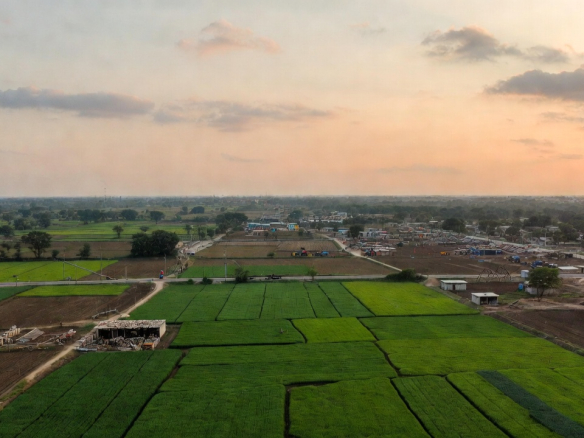
Agricultural land in India is land used for farming. This includes growing crops, planting orchards, maintaining plantations, or raising livestock.
Rural agricultural land, outside city limits, has a special advantage. It is not treated as a capital asset under income tax laws. For investors, this often means tax benefits and lower holding costs. It’s a smart option for long-term investment.
Urban agricultural land is different. If it’s inside a city or a notified development area, it comes with higher taxes and extra rules. But it can also offer higher growth potential if the area develops over time.
In short, investors have two clear paths:
- Rural land for stability, tax savings, and steady long-term value.
- Urban or peri-urban land for higher potential returns, but with more regulations.
Knowing the type and location of land helps investors plan. It shows what kind of returns and benefits to expect. Understanding land types and tax treatment shows why investing in agricultural land is the next big thing in India for investors seeking both security and smart financial planning.
Can Anyone Buy Agricultural Land?

Not everyone can buy agricultural land in India. Rules vary from state to state. They are designed to protect farmland and keep it in the hands of farmers.
Here’s what investors should know:
- Restricted States – Places like Maharashtra, Gujarat, Karnataka, and Himachal Pradesh only allow registered farmers or agriculturists to buy land. There are often limits on income from non-farming sources.
- Open States – In states like Tamil Nadu, Rajasthan, and Madhya Pradesh, anyone can buy agricultural land. The rules are simpler, making it easier for investors.
- NRIs, OCIs, and Foreigners – Generally, they cannot buy agricultural land, plantations, or farmhouses. Inheritance of agricultural land is usually allowed, though.
For investors, this means location matters. Choosing the right state determines whether you can purchase directly or need to explore alternatives like leasing or joint ownership. Knowing state-wise eligibility rules helps investors make informed choices, reinforcing why investing in agricultural land is the next big thing in India when done strategically.
Types of Land Investments in India

Land in India can be a smart investment, but not all land is the same. Each type serves a different purpose and comes with unique benefits. Here’s a detailed look:
Agricultural/Farmland
This is land used for farming, orchards, plantations, or livestock. Investors can earn returns in two ways:
Example – Yamuna Expressway Belt:
In regions around the Yamuna Expressway, farmland that was purchased early has seen dramatic appreciation. Investors who bought farmland two decades ago for around ₹6 lakh have seen its value rise to over ₹5 crore today due to booming infrastructure development and connectivity improvements.
Real Life Appreciation Patterns:
Across several semi‑urban corridors, agricultural land values have climbed significantly over 15–20 years. In Murbad (Maharashtra), land priced around ₹5,000–10,000 per acre in the early 2000s is now worth ₹8–10 lakh per acre.Acreages
Why It Matters for Investors:
- Offers stability since land is a physical asset
- Can provide lease income if not self‑farmed
- Great hedge against inflation
- Strong value growth near expanding cities
- Residential Plots
Residential land is intended for building homes or housing projects. This type of land is most attractive in developing or growing suburbs, where city expansion drives demand. Investors can benefit from:
- High appreciation as urban areas grow.
- Rental or resale income once the land is developed.
However, residential plots often require more paperwork, approvals, and planning permissions compared to agricultural land.
- High appreciation as urban areas grow.
Case Highlight – Bengaluru Suburbs:
Residential land in developing suburbs like Whitefield and Koramangala has shown healthy growth, often outpacing traditional farmland returns. Residential properties in such corridors have appreciated around 8%–12% annually, driven by demand from IT and service sectors.
Takeaway:
- Best suited if you plan to build homes or sell to end buyers
- Price depends on connectivity, schools, and employment centers
- Appreciation linked closely to urban growth
Commercial Land
Commercial land is used for offices, retail shops, malls, or service businesses. Investing in commercial land offers:
Potential for high rental income from businesses.
Faster appreciation in prime city locations.
Commercial plots are ideal for investors looking for active returns rather than long-term passive growth. They do, however, involve higher upfront costs and regulatory compliance.
Hyderabad’s High‑Value Land Auction:
In Hyderabad’s Raidurg area, a 7.67‑acre commercial parcel was auctioned at an astonishing ₹177 crore per acre , reflecting investors’ confidence in commercial land in strong economic hubs.
Investor Insight:
- High cost but potentially high yields
- Rents from businesses can deliver steady cash flow
- Values rise with corporate and retail growth
Industrial Land
Industrial land is designated for factories, warehouses, logistics hubs, or manufacturing units. These plots are often near highways, ports, or Special Economic Zones (SEZs). Benefits include:
Steady long-term value, as industries require strategic land locations.
Opportunities for leasing to companies or industrial developers.
Industrial land investments are typically for investors with larger capital and a focus on structured, long-term returns.
Mixed-Use or Recreational Land
These are flexible land types that can be used for eco-tourism, resorts, farm stays, adventure parks, or sustainable living projects. They offer:
Lifestyle and income benefits – combining personal use with commercial leasing.
Growing demand – as urban dwellers seek weekend retreats and organic experiences.
Mixed-use land can be riskier due to approvals and development costs but offers high potential rewards for creative and lifestyle-focused investors.
Local Trend – Chamarajanagar, Karnataka:
Outskirts of Chamarajanagar have seen prices rise as industrial zones developed nearby. Land that was acquired at lower rates has appreciated as connectivity and employment opportunities expanded.
Why It Appeals to Investors:
- Long‑term value tied to economic infrastructure
- Leasing to manufacturing firms can generate steady income
- Works well for institutional or strategic investors
Agricultural land stands out for its stability and sustainability focus.
Among all land categories, farmland stands out for its balance of stability and appreciation, proving that investing in agricultural land is the next big thing in India.
Your Future Generations Will Thank You: How Farmland Becomes a Safety Net

Owning agricultural land isn’t just about money. It means securing food, water, and land for your family’s future.
India’s population is growing fast. More people need more food. At the same time, cities are expanding and eating up fertile soil. This makes good farmland rarer over time. Owning land gives your family the power to grow food, earn money from farming or leasing, and protect a real, tangible asset.
Agricultural land can also help with clean water. Simple systems like wells or rainwater harvesting can make farmland more self‑sufficient and sustainable. Over time, it becomes a source of security, not just wealth.
Example: A Big Industrialist’s Mango Orchard
A well‑known example is how Reliance Industries turned unused land near its Jamnagar refinery into a huge mango orchard. What was once barren or unused space became a 600‑acre orchard, planted with more than 1.3 lakh mango trees across over 200 varieties. This orchard now produces mangoes sold domestically and internationally, showing that even large companies see long‑term value in agricultural land and food production. Vibes of India
This story shows two important things for everyday investors:
- Land that seems ordinary today can become valuable tomorrow.
- Agriculture and sustainability can go hand in hand with long‑term investment returns.
Farmland can be loved for generations, not just financially, but as a source of food, well‑being, and independence from rising food prices. It’s more than an investment. It’s a legacy.
How Investing in Agricultural Land Can Save You Taxes

One of the biggest advantages of owning agricultural land is how tax-friendly it is. Compared to other types of property, farmland can help you save a lot of money legally, while still growing your wealth.
- Income from Farming Is Fully Tax-Free
Any money you earn from farming, whether it’s crops, vegetables, fruits, or livestock, is completely exempt from income tax under Section 10(1). This means the profits you make from your land go straight to you, without deductions. - Rural Land Sales Are Exempt from Capital Gains Tax
Selling rural agricultural land is different from selling a house or office space. The government doesn’t treat it as a “capital asset.” That means you don’t have to pay capital gains tax when you sell it, keeping more of your profits in your pocket. - Reinvesting Urban Agricultural Land Can Be Tax-Free Too
If you sell agricultural land in an urban area and buy new agricultural land within 2 years, you can claim exemptions under Section 54B. This encourages investors to keep money in farming and save on taxes at the same time. - Other Small but Helpful Benefits
In some states, stamp duty for agricultural land is lower than for residential or commercial property. Also, farmland is not considered for wealth tax, so it doesn’t increase your tax burden.
Why This Matters for Investors:
Farmland isn’t just a safe and tangible investment, it’s also tax-efficient, meaning more of your money stays with you. For long-term investors, this makes agricultural land one of the smartest ways to build wealth, especially when compared to residential or commercial real estate.
How Agricultural Land Investment Can Improve Your Lifestyle
Investing in agricultural land isn’t just about money. It’s also about quality of life. Farmland gives you a chance to slow down, reconnect with nature, and enjoy experiences you can’t get in the city.
- Weekend Getaways in Nature
Imagine stepping out of your busy city life and spending a weekend surrounded by greenery. Fresh air. Open skies. The peace of a farm. Even a small farmhouse on your land can become a personal retreat. - Grow Your Own Organic Food
You don’t just own land, you can grow your own fruits, vegetables, and herbs. Nothing beats eating fresh, chemical-free produce straight from your farm. Many urban professionals near Bangalore, Chennai, and Pune are turning to managed farmlands for this very reason. - Farmhouses, Agrotourism, and Eco-Retreats
Farmland is flexible. You can build a farmhouse, host eco-retreats, or start small agrotourism ventures. It’s a way to combine income with lifestyle. Your land can be both an investment and a place for your family to unwind. - Stress Relief Through Hands-On Activities
Farming isn’t always hard work. Planting trees, tending a vegetable patch, or managing small crops can be therapeutic. Studies show spending time in green spaces reduces stress and boosts mental well-being.
Real-Life Inspiration
Some of India’s most successful business leaders have recognized farmland as a lifestyle asset.
- Mukesh Ambani turned unused land near his operations into productive green spaces and plantations.
- Ratan Tata has invested in eco-friendly and organic farmland projects, promoting sustainability while creating spaces that support communities.
Farmland offers more than financial growth. It gives you fresh air, healthy food, peace of mind, and a lifestyle your family can enjoy for generations.
Why Organic Living Is Key to Health in Today’s Fast-Paced World?
Life in the city is fast. Pollution, stress, and processed food are part of everyday life. These factors contribute to lifestyle diseases and low energy.
This is where organic living makes a real difference. Organic farming avoids harmful chemicals and pesticides. It produces fresh, nutrient-rich food that supports your immune system and reduces toxin exposure.
Owning farmland gives you the opportunity to embrace organic practices. You can grow your own pesticide-free fruits and vegetables. You can spend time in nature. Or you can even support local biodiversity by planting trees and creating natural habitats.
It’s more than food. It’s a lifestyle shift. Organic farming on your own land can improve both physical and mental health. Gardening, harvesting, or just being surrounded by greenery reduces stress and helps you feel connected.
In short, investing in farmland isn’t just smart financially, it’s an investment in your family’s health and well-being for years to come.
Don’t Know How to Start Investing in Land? Follow These Steps:

Buying agricultural land can feel overwhelming at first. But if you break it down step by step, it becomes simple and manageable. Here’s how investors can start:
- Define Your Goals
Before you spend a rupee, ask yourself why you want to invest. Are you looking for long-term appreciation, regular income from farming or leasing, or a lifestyle upgrade like a weekend farmhouse or organic farm? Your goals will determine what type of land to buy and where to buy it. - Check Eligibility
Not everyone can buy agricultural land in India. Rules vary by state. Some states allow only farmers or registered agriculturists to purchase. Others are open to any buyer. NRIs and foreigners usually cannot buy agricultural land directly. Make sure you understand the regulations in the state where you plan to invest. - Research Locations
Location is critical. Look for peri-urban areas that are close to cities but still have good soil, reliable water, and road connectivity. These areas often offer strong appreciation potential as cities expand and farmland becomes scarce. - Do Your Due Diligence
Never buy land without checking its legal history. Verify the title, encumbrance certificate, revenue records, and any pending disputes. Hiring a local lawyer or land consultant can save you from costly mistakes later. - Assess the Land
Not all land is created equal. Check the soil quality, access to water, and suitability for crops or farming activities. If you’re considering organic farming or horticulture, ensure the land is compatible with your plans. - Finance and Buy
Explore financing options if you need a loan. Many banks offer agricultural land loans with attractive rates. Once you’re ready, complete the legal registration and payment process carefully. Keep all receipts and documentation safe. - Manage Your Land
After purchase, decide how you will use the land. You can farm it yourself, lease it to local farmers, or hire managed farmland services that handle cultivation and maintenance. Management style will depend on your goals, time, and expertise.
FAQs About Investing in Agricultural Land
Q: Is agricultural land a good investment in 2026?
A: Absolutely. Farmland offers stable, long-term returns, tax benefits, and growing demand as cities expand and food needs rise. It’s a tangible asset that often holds value better than stocks or commercial property in uncertain times.
Q: Can non-farmers buy farmland?
A: It depends on the state. Some states only allow farmers or registered agriculturists to buy. Others allow anyone to invest, sometimes with specific conditions. Always check local regulations before buying.
Q: What returns can I expect?
A: In peri-urban areas, farmland has historically appreciated 10–15% annually. On top of that, you can earn income from leasing land or farming it yourself, which adds another layer of returns.
Q: Are there risks?
A: Yes, like any investment. Common risks include legal disputes over land titles, dependence on weather for farming, and lower liquidity compared to other assets. But with proper research, legal checks, and expert advice, these risks can be managed effectively.
Q: Can farmland improve my lifestyle?
A: Definitely. Owning farmland gives you a green retreat, opportunities for organic farming, and stress relief, all while building wealth for the future.
Or contact trustworthy farmland consultants like Farmland India.
Takeaway: Why Agricultural Land Is a Smart Investment
Investing in agricultural land in India isn’t just the “next big thing.” It’s a timeless way to preserve wealth, save on taxes, and build a healthier legacy for your family.
Land is limited, but demand is growing. That makes it a safe and tangible asset in an uncertain world. Unlike stocks or other volatile investments, farmland offers stability, long-term appreciation, and the ability to generate income through farming or leasing.
You don’t need to start big. Even a small plot, chosen carefully, can grow in value over time. The key is to research thoroughly, understand the rules, and plan for the long term.
By investing wisely, you’re not just securing financial returns, you’re also creating a green, sustainable future for yourself and generations to come. Farmland can be your family’s legacy, your lifestyle choice, and a source of security all at once.



Join The Discussion